




Description
Understanding Standard Baggage Scanner Size Options
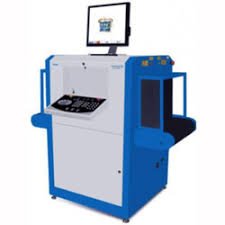
The baggage scanner size plays a major role in choosing the right security solution for any location. Each size supports different baggage types, inspection needs, and traffic levels. Small scanners fit compact spaces and handle hand-carried items. Medium units suit busy entry points with mixed luggage. Large scanners support heavy bags and bulky items found in airports and logistic hubs. Because each site has unique requirements, selecting the right baggage scanner size ensures accurate screening and smooth flow.
Small scanners offer slim designs that fit at reception points, offices, and small buildings. They support fast inspection and help security staff identify hidden items using clear X-ray imaging. Medium scanners work well for malls, transport terminals, and public buildings. They balance speed and capacity, making them ideal for moderate security loads. Large scanners support extended tunnels and higher belt widths, allowing quick checks for large baggage. As a result, the baggage scanner size directly influences performance and efficiency.
Benefits of Choosing the Right Baggage Scanner Size
The correct baggage scanner size improves safety and reduces inspection time. Small units save space and offer quick installation. Medium scanners boost accuracy and keep traffic moving during peak hours. Large scanners deliver wide tunnels that support heavy-duty luggage inspection without slowing operations.
Selecting the right size also improves operator comfort. Clear imaging, simple controls, and stable conveyors support continuous use with minimal training. Because each size follows safety standards, they protect both staff and visitors during daily operations. Additionally, the correct size lowers maintenance demands and reduces long-term operating costs.
Furthermore, a well-chosen baggage scanner supports reliable threat detection. Operators get clear images with easy color identification, which helps them spot liquids, metals, and organic materials quickly. Smooth belt movement ensures each bag passes through without delay. These features make the scanner practical for airports, stations, government offices, and commercial buildings that require secure entry management.
In summary, the baggage scanner determines how effectively a scanner operates in real environments. Choosing the right size enhances speed, accuracy, and overall safety. Whether it is for small checkpoints or high-traffic areas, selecting the ideal scanner ensures consistent performance and strong security control.
Reviews
There are no reviews yet.